Children's Nutrition in Malta: Practical Tips for Parents
Published: September 15, 2025
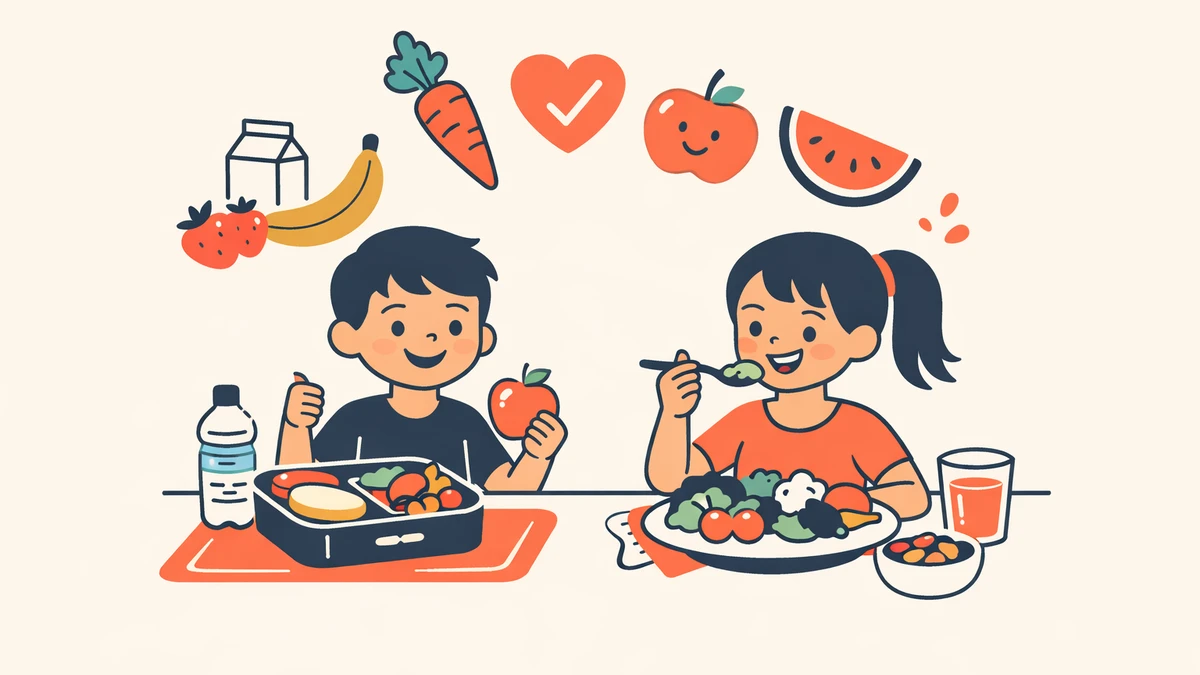
Getting kids to eat well in Malta comes with its own set of challenges. Between fussy eating phases, the influence of school canteens, birthday party junk food and the sheer convenience of processed snacks, many parents feel like they're fighting a losing battle. The good news: children's eating habits are shaped more by what happens at home consistently than by any single meal or snack. And Malta's food culture, with its emphasis on fresh local produce and family meals, is actually a great foundation to build on.
Fussy Eating: Normal or a Problem?
Most children go through a phase of food refusal between ages two and six. It's developmentally normal — it's how children learn to exercise autonomy. A child who rejects broccoli at age three isn't necessarily going to hate vegetables forever. Research shows it can take 10–15 exposures to a new food before a child accepts it. "Exposure" doesn't mean forcing them to eat it. It means the food appears on their plate, they see you eating it, they might touch it or lick it, and eventually — maybe after the twelfth time — they try a bite. Pressure and bribery ("eat your peas and you can have ice cream") tend to backfire because they reinforce the idea that peas are punishment and ice cream is the reward.
What Children in Malta Actually Need
Children's nutritional needs are proportionally higher than adults' relative to their body size. They need adequate protein for growth (from meat, fish, eggs, dairy, legumes), calcium for developing bones (milk, yoghurt, cheese, calcium-fortified alternatives), iron (often low in children who drink too much milk and eat too little meat and vegetables), and a wide variety of vitamins and minerals from fruits and vegetables. Most Maltese children eat enough protein and calcium but not enough vegetables, fruit and fibre. The 2022 WHO childhood obesity report ranked Malta among the highest in Europe for childhood overweight — a pattern driven largely by excess processed food, sugary drinks and insufficient physical activity.
Practical Tips That Work in Real Maltese Families
Serve meals family-style. Put food in the middle of the table and let children serve themselves. This gives them control (which reduces resistance) while exposing them to everything you're eating.
Involve children in cooking. Even a four-year-old can wash tomatoes or tear lettuce. Children who help prepare food are more likely to try it. Make ftira together and let them choose toppings including vegetables.
Don't keep what you don't want them eating. Children can't nag for biscuits that aren't in the cupboard. Stock the kitchen with fruit, nuts (if age-appropriate), yoghurt, wholemeal bread and vegetables for snacking. They'll eat what's available.
Limit juice and sugary drinks. This is the single biggest change many Maltese families can make. A small glass of juice (150 ml) is fine, but many children drink 500 ml or more daily. Water and plain milk should be the default drinks.
Don't use food as a reward or punishment. "If you're good, you'll get chocolate" teaches children that chocolate is the ultimate prize and good behaviour earns treats. Reward with time, attention and activities instead.
School Lunches and Packed Lunches
If your child eats at school, take a look at the menu. Some schools in Malta have improved their offerings, but many still serve processed foods regularly. If you pack lunch, keep it simple: a wholemeal sandwich or wrap with protein filling, a piece of fruit, a small container of vegetables (cherry tomatoes, cucumber sticks, carrot sticks), and water. Avoid packing crisps, chocolate bars and sugary juice boxes daily. Occasional treats are fine, but the packed lunch should generally be a balanced meal.
When to Seek Professional Help
If your child eats fewer than twenty foods, refuses entire food groups, is losing weight or not growing properly, or experiences significant anxiety around mealtimes, it may go beyond normal fussiness. A paediatric dietitian can assess whether there's a nutritional issue and work with you on structured strategies. You don't have to figure it all out alone. For guidance on family nutrition, see our meal planning service or read our article on healthy eating in Malta for broader family-friendly tips.