Meal Prep Tips for Busy People in Malta
Published: March 6, 2026
When your schedule is hectic, healthy eating can be a challenge. Meal prepping is a powerful tool to save time, minimise stress and stay on track – even on the busiest weeks.
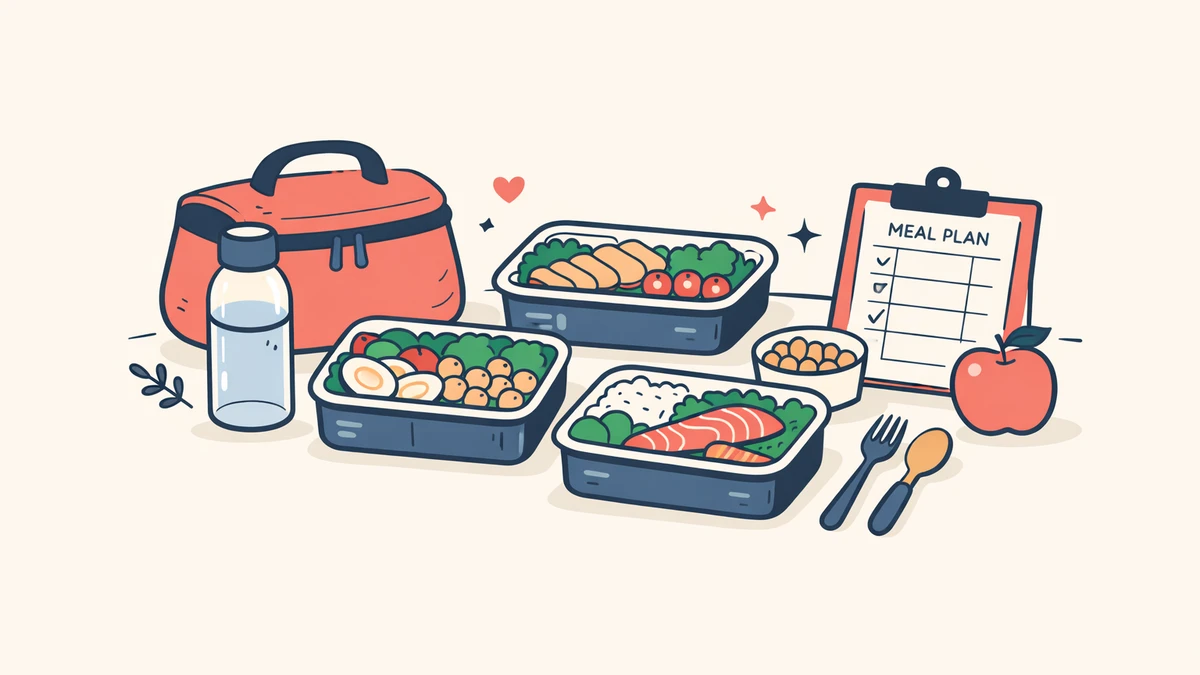
Set Aside Planning Time
Dedicate 30–60 minutes once a week to plan your meals. Decide what recipes you’ll make, check your pantry and write a shopping list. Planning reduces decision fatigue and impulse takeaways.
Batch Cook Staples
Cook large batches of versatile staples such as whole grains, legumes and roasted vegetables. Store them in the fridge or freezer to mix and match throughout the week. Use a simple seasoning so you can adapt flavours later.
- Quinoa or brown rice
- Beans, chickpeas or lentils
- Roasted seasonal vegetables
- Grilled chicken or baked fish
Use the Right Containers
Invest in a set of reusable glass or BPA‑free plastic containers with airtight lids. Having portions already packed makes it easy to grab a balanced meal for work, school or travel.
Keep It Simple & Flexible
You don’t need to cook seven different dishes. Stick to a few basic recipes and vary the sides or sauces. Allow for flexible combinations so you don’t get bored – for example, pair the same protein with different grains and vegetables.
Stock Healthy Snacks
Prepare snack bags with nuts, seeds, cut vegetables or fruit slices. Having healthy snacks on hand helps you avoid vending machines and impulsive purchases when hunger strikes.
Storage & Food Safety Tips
Proper storage extends the shelf life of your prepped meals and keeps them safe to eat. Glass containers are ideal as they don't absorb odours or stains, maintain food freshness longer, and are microwave-safe. Always cool food completely before storing to prevent condensation and bacteria growth. Most prepped meals keep well in the fridge for 3–4 days; you can also freeze portions for up to three months. Label containers with the date prepared so you know when to use them. For batch-cooked grains and legumes, store separately from sauces to prevent them from becoming soggy. When you're ready to eat, reheat meals to 75°C (165°F) to ensure food safety.
Batch Cooking Ideas for Busy Weeks
Sunday meal prep doesn't mean cooking the same meal seven times. Instead, prepare components that combine in different ways throughout the week. For example, cook a large batch of quinoa, roast two types of vegetables (perhaps broccoli and sweet potato), and prepare two protein options (grilled chicken and baked chickpeas). Then mix and match these elements with different seasonings and sauces to create varied meals. This approach keeps you from getting bored while maximising your prep-day efficiency.
Consider a "prep once, eat twice" strategy: prepare double the amount of dinner one night and use the leftovers as lunch the next day. This makes meal prep feel less overwhelming and integrates naturally into your routine. Batch cooking breakfast items—such as overnight oats, egg muffins or breakfast burritos—sets you up for success all week long.
Making Meal Prep Sustainable
The key to long-term success is building a system that fits your lifestyle. Start small: perhaps prep just Monday and Tuesday meals, then expand as you gain confidence. Involve family members if possible—children can help wash vegetables or assemble containers, turning meal prep into a shared activity. Set a timer for 30 minutes and challenge yourself to see how much you can accomplish, which makes the task feel less tedious.
Remember that meal prep doesn't have to be perfect. If you miss a week or can't prep as planned, simply do your best with what time you have. Even a few prepped containers are better than relying on takeaways when you're exhausted. For more personalised strategies suited to your schedule and nutritional goals, our Meal Planning service can help you design a system that works. You can also explore How to Eat Healthy in Malta for additional practical tips on building sustainable eating habits.