Probiotics & Gut Health: What You Need to Know
Published: July 15, 2025
The tiny microbes in your gut have a big impact on health. Learn how probiotics can support digestion, immunity and overall wellbeing.
What Are Probiotics?
Probiotics are live microorganisms that confer health benefits when consumed in adequate amounts. They’re often referred to as “good bacteria” because they help maintain a balanced gut microbiome – the community of microbes that live in your digestive tract.
A healthy microbiome aids digestion, produces certain vitamins and interacts with your immune system. Disruptions to this microbial balance can contribute to digestive issues, infections and even mental health concerns.
Benefits of Probiotics
- Improved digestion: probiotics may reduce symptoms of bloating, gas and diarrhoea by supporting healthy gut motility and enzyme production.
- Enhanced immunity: certain strains help modulate immune responses and protect against harmful pathogens.
- Mood & cognition: the gut–brain axis means a balanced microbiome can positively influence mood and cognitive function.
Food Sources & Supplements
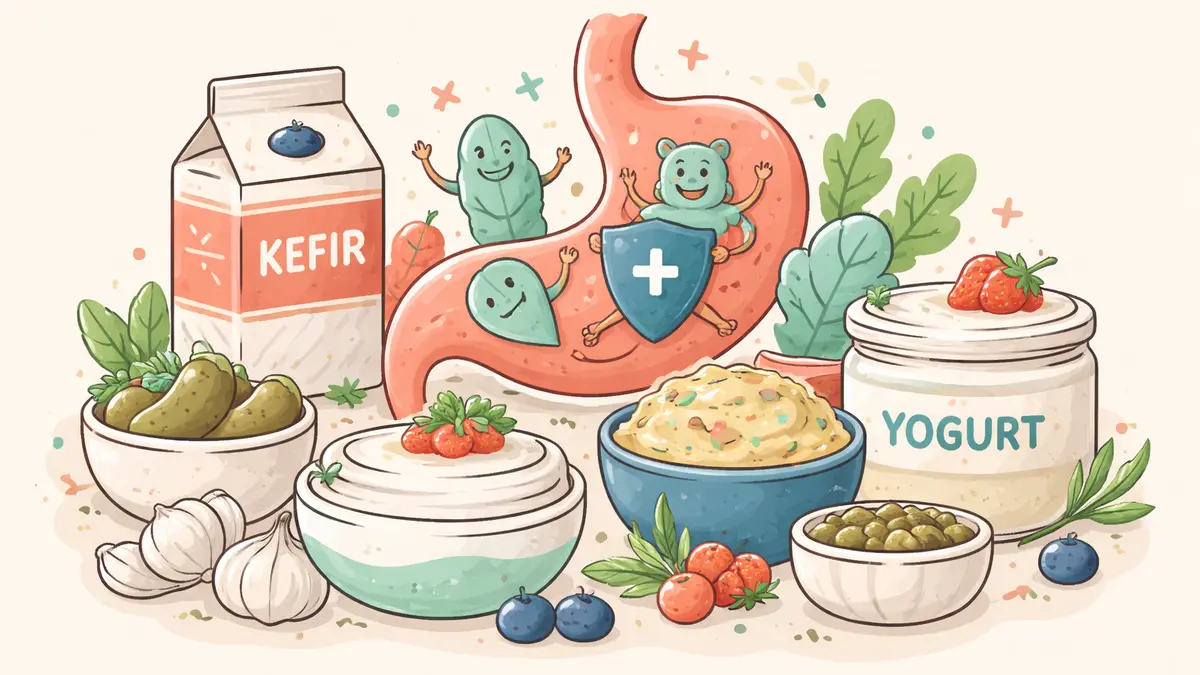
You can obtain probiotics from fermented foods like yoghurt, kefir, sauerkraut, kimchi, miso and kombucha. These foods contain beneficial bacteria along with other nutrients. If you opt for supplements, look for:
- Identified strains: choose products that list the specific bacteria strains and CFU (colony forming units) count.
- Quality manufacturing: select reputable brands that guarantee live cultures through the end of shelf life.
- Diverse strains: a combination of Lactobacillus and Bifidobacterium strains may provide broader benefits.
Always consult a healthcare professional if you have a medical condition or are immunocompromised before starting a new supplement.
Understanding the Gut Microbiome
Your gut microbiome is a complex ecosystem of trillions of bacteria, viruses and other microorganisms. These microbes are not invaders—they're partners in your health. The microbiome influences far more than digestion: it regulates immune function, produces neurotransmitters (including serotonin), and affects inflammation throughout your body. When the balance is disrupted—a state called dysbiosis—symptoms such as bloating, irregular bowel movements, fatigue and even mood changes can emerge.
Modern lifestyles—including high-stress environments, antibiotic use, processed food diets and inadequate sleep—can disrupt microbial balance. This is why restoring gut health through nutrition and lifestyle is so valuable. Probiotics work alongside other dietary strategies to reestablish a thriving microbiome.
Prebiotics: The Food for Good Bacteria
While probiotics are the beneficial bacteria themselves, prebiotics are the food that feeds them. Prebiotics are indigestible fibres that pass through your stomach undigested and reach your colon, where they become fuel for beneficial bacteria. By consuming prebiotics, you create an environment where good bacteria can thrive.
Excellent prebiotic sources include onions, garlic, leeks, asparagus, bananas, oats, legumes, chicory root and Jerusalem artichokes. A simple strategy: add garlic and onions to your meals, enjoy a banana as a snack, and include legumes regularly in your diet. Aim for 25–35 grams of total fibre daily from a variety of plant sources. This synbiotic approach—combining probiotics and prebiotics—gives you the best chance of supporting a healthy, resilient microbiome.
Practical Steps to Support Your Gut
Start by increasing your intake of fermented foods naturally: add a small portion of sauerkraut or kimchi to meals, enjoy Greek yoghurt for breakfast, or sip a glass of kefir. If you prefer supplements, introduce them gradually to allow your digestive system to adjust. Simultaneously, increase your fibre intake slowly (rapid increases can cause bloating) and stay hydrated, as fibre works best when you're drinking adequate water.
Beyond diet, other lifestyle factors matter: manage stress through exercise or mindfulness, maintain consistent sleep patterns, and limit unnecessary antibiotic use. If you've recently taken antibiotics, a short course of probiotics may help restore your microbiome. For personalised guidance on supporting digestive health and choosing the right interventions for your situation, our Dietitian & Nutrition Therapy service provides evidence-based recommendations. You might also explore our How to Eat Healthy in Malta guide for broader nutritional strategies that support overall wellness.