How to Read Food Labels: A Practical Guide for Malta
Published: December 15, 2025
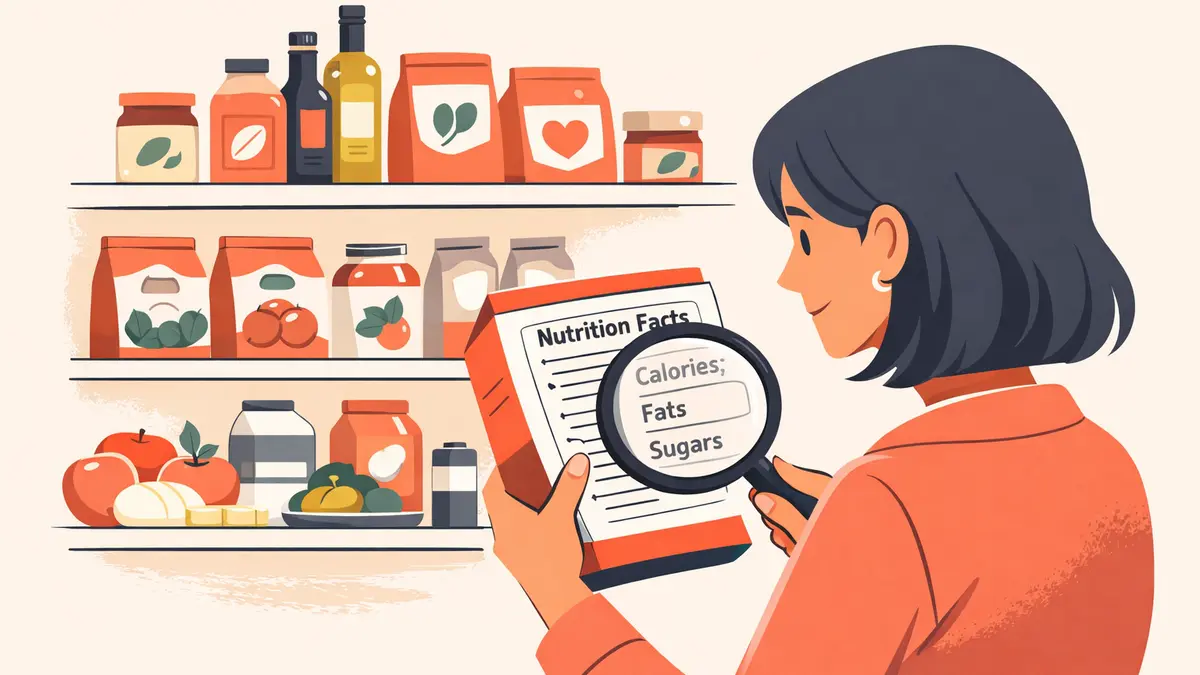
Walk into any supermarket in Malta and you'll see hundreds of products with nutrition panels on the back. Most people glance at calories and move on. But if you actually know what to look for, those labels become one of the most useful tools for making better food choices without having to overthink every meal.
Start with the Serving Size
This is where most people trip up. A bag of crisps might list 130 kcal per serving, but the bag holds three servings. If you eat the whole thing, you've had 390 kcal. Always check how much counts as "one serving" and compare it to what you'd actually eat in one sitting. Maltese brands and imported products vary widely here, so don't assume.
Calories: Useful but Not Everything
Calories tell you how much energy is in the food. That matters, but 200 kcal from almonds is very different from 200 kcal from a chocolate bar. The almond version comes with protein, fibre and healthy fats that keep you satisfied for hours. The chocolate gives you a quick sugar hit and then you're hungry again thirty minutes later. So yes, look at calories, but always look at what else comes with them.
Sugar: the One Most People Overlook
The EU requires labels to show total sugars, but they don't separate naturally occurring sugars (like lactose in yoghurt) from added sugars. A plain Greek yoghurt might show 5g of sugar per 100g — that's just the lactose. A fruit-flavoured one might show 14g, meaning roughly 9g of sugar was added. Until Malta and the EU require added sugar labelling (as the US does), you'll need to cross-reference the sugar line with the ingredients list. If sugar, syrup, honey or maltodextrin appears in the first three ingredients, the product is likely high in added sugar.
Fat: Not All Fats Are Equal
Labels break fat into total fat and saturated fat. Saturated fat — from butter, palm oil, processed meats — is the one to watch. The NHS recommends no more than 20g of saturated fat per day for women and 30g for men. Trans fats are even worse for heart health, but they rarely appear on EU labels. Check the ingredients for "partially hydrogenated" oils — that's trans fat in disguise. Unsaturated fats from olive oil, nuts and fish are beneficial, so a product being "high in fat" doesn't automatically make it bad. Context matters.
Fibre and Protein: the Ones Worth Seeking Out
Most people in Malta don't eat enough fibre. Adults need about 30g per day, but the average intake is closer to 18g. When comparing products — say two brands of breakfast cereal — pick the one with more fibre per 100g. Similarly, protein keeps you full. If you're choosing between snack bars, one with 8g of protein will satisfy you far longer than one with 2g.
Salt: a Quiet Problem in Malta
Maltese cuisine is flavourful, and a lot of that flavour comes from salt. Processed meats, tinned foods, bread and even breakfast cereals can be surprisingly high in sodium. Adults should aim for less than 6g of salt per day (about one teaspoon). Labels usually show salt in grams per 100g. Anything above 1.5g per 100g is high. Anything below 0.3g is low. If you're watching blood pressure or have a family history of heart disease, this number matters more than you might think.
The Ingredients List Tells the Real Story
Ingredients are listed in order of weight. If sugar or palm oil is listed first, that's the main ingredient — no matter what the front of the packet says about being "natural" or "wholesome." A shorter ingredients list usually means less processing. If you can't pronounce half the ingredients, that's a sign the product is heavily processed. This isn't about being paranoid — it's about knowing what you're paying for.
For a more detailed look at building balanced meals around whole foods, have a read through our guide on how to eat healthy in Malta. And if you'd like personalised help making sense of labels for a specific health condition, our dietitian service covers exactly that.