Women's Health Nutrition: Supporting Hormones at Every Life Stage
Published: November 10, 2025
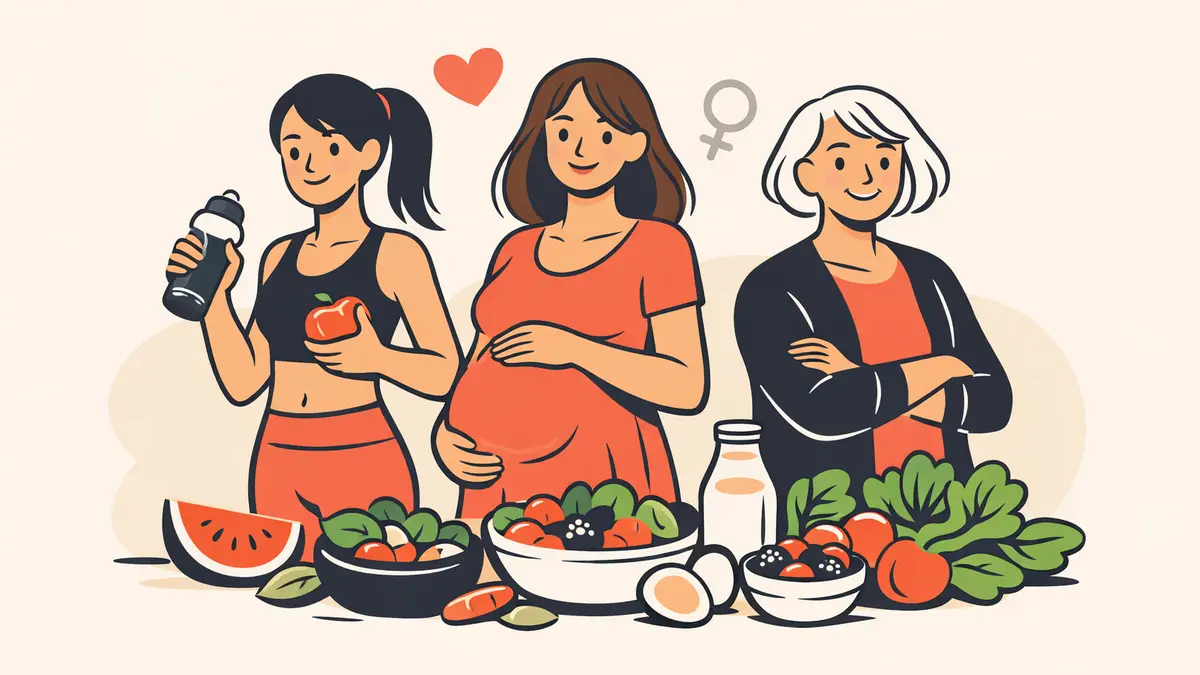
A woman's nutritional needs shift significantly across her lifetime. From managing a monthly cycle to supporting a pregnancy or navigating menopause, the right dietary approach can make a meaningful difference to how you feel every day.
Iron and the Menstrual Cycle
Regular menstruation increases a woman's iron requirements. Iron-deficiency anaemia is one of the most common nutritional deficiencies in women of reproductive age and can cause fatigue, poor concentration and low mood. To support iron levels, include:
- Haem iron: red meat, poultry, fish and shellfish (absorbed most efficiently).
- Non-haem iron: legumes, tofu, fortified cereals, dark leafy greens and dried apricots.
- Vitamin C with non-haem iron: pairing plant iron sources with a glass of orange juice or tomatoes significantly improves absorption.
- Reduce inhibitors: avoid tea or coffee immediately after iron-rich meals, as tannins reduce absorption.
Fertility and Preconception Nutrition
Before trying to conceive, both nutrient status and overall diet quality matter. Key priorities include:
- Folic acid: recommended at 400 micrograms daily for at least three months before conception to reduce neural tube defect risk. A supplement is usually advised in addition to folate-rich foods like leafy greens and legumes.
- Omega-3 fatty acids: found in oily fish like sardines, mackerel and lampuki, support reproductive health and foetal brain development.
- Antioxidants: a diet rich in colourful fruits and vegetables helps protect egg quality.
- Maintaining a healthy weight: both underweight and overweight status can affect ovulation and fertility outcomes.
Pregnancy Nutrition
Pregnancy increases requirements for several key nutrients without requiring a doubling of calories. The popular notion of "eating for two" is a common misconception – energy needs increase by only around 200–300 calories per day in the second and third trimesters. Focus on quality over quantity:
- Calcium: critical for foetal bone development. Dairy products, fortified plant milks and canned fish with soft bones are good sources.
- Vitamin D: supports calcium absorption and immune function. Supplementation is often recommended, especially for those who spend limited time outdoors.
- Iodine: essential for thyroid function and neurological development. Found in dairy, eggs, seafood and iodised salt.
- Foods to avoid: raw or undercooked meat and eggs, unpasteurised dairy, high-mercury fish (shark, swordfish, marlin), liver and liver products, and excessive caffeine.
Nutrition During Menopause
The hormonal changes of perimenopause and menopause affect bone density, cardiovascular health and body composition. Targeted nutrition can support this transition:
- Calcium and vitamin D: become even more critical as oestrogen declines and bone turnover increases.
- Phytoestrogens: plant compounds in soy foods, flaxseeds and legumes that have mild oestrogen-like activity and may help ease hot flushes for some women.
- Protein: higher intake helps preserve muscle mass and support a healthy metabolism as hormonal changes shift body composition.
- Heart-healthy fats: the Mediterranean diet pattern – rich in olive oil, oily fish and nuts – is associated with lower cardiovascular risk, which rises after menopause.