Bloating, Digestion and IBS: A Practical Nutrition Guide
Published: February 23, 2026
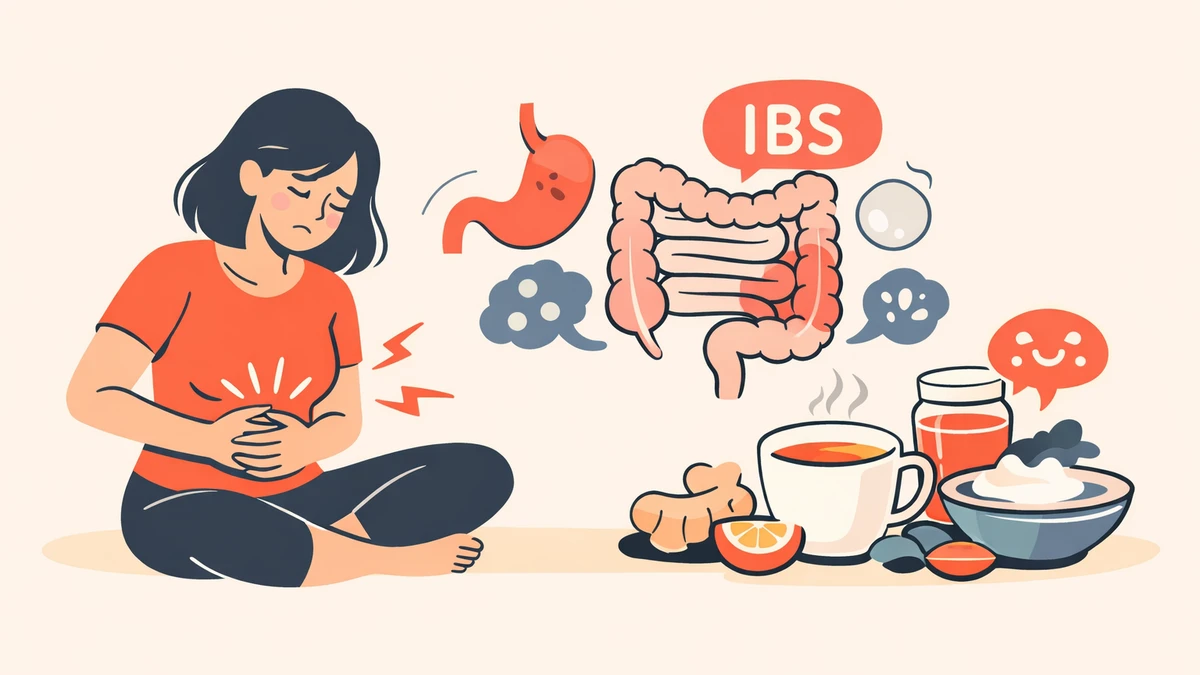
Digestive problems are common in Malta. Many people live with bloating, gas, constipation or diarrhoea for years, assuming it's just how their body works. Sometimes it is normal variation. But often, dietary changes can make a significant difference. The challenge is that "gut health" has become a marketing buzzword, and it's hard to separate what actually works from what's being sold to you.
What's Actually Going on When You Bloat
Bloating happens when gas builds up in the digestive tract. Some gas is normal — your gut bacteria produce it as they ferment fibre and other compounds. But excessive bloating can be caused by eating too fast (you swallow air), eating large meals infrequently (the gut gets overwhelmed), certain foods that ferment more than others, or an imbalance in gut bacteria. Stress also slows digestion, which means food sits in your gut longer and produces more gas. Before you start eliminating foods, check the basics: are you eating slowly? Are you chewing properly? Are you stressed out of your mind? Those three things account for more bloating than most specific foods do.
FODMAPs: Why Some Healthy Foods Cause Problems
FODMAPs are a group of short-chain carbohydrates that some people struggle to digest. They're found in otherwise healthy foods: onions, garlic, wheat, apples, pears, lentils, cashews and more. In people with irritable bowel syndrome (IBS), FODMAPs ferment excessively in the gut, causing bloating, cramps, gas and altered bowel habits. A low-FODMAP diet — where you temporarily reduce these foods and then reintroduce them one at a time — is the most evidence-based dietary approach for IBS. But it's meant to be done under professional guidance because it's restrictive and you risk nutrient deficiencies if you stay on it long-term without proper reintroduction.
Fibre: the Double-Edged Sword
Fibre is good for your gut. Everyone agrees on that. But if you go from eating 12g of fibre a day to 30g overnight (because you read an article saying you should eat more fibre), you'll feel terrible. Your gut bacteria need time to adjust. Increase fibre gradually — add one extra serving of vegetables or one portion of legumes per day for a week, then add another. Drink more water as you increase fibre (fibre absorbs water, and without enough fluid, it can worsen constipation). And pay attention to which types of fibre agree with you. Soluble fibre (oats, cooked vegetables, peeled fruits) tends to be gentler than insoluble fibre (bran, raw vegetables, seeds) for people with sensitive guts.
Probiotics and Fermented Foods: What Works
Fermented foods — yoghurt, kefir, sauerkraut, kimchi, miso — contain live bacteria that can contribute to gut microbial diversity. Eating them regularly is a good habit. But the specific probiotic strains that help with specific conditions (like Lactobacillus rhamnosus GG for antibiotic-associated diarrhoea, or Saccharomyces boulardii for traveller's diarrhoea) are found in supplements, not in a pot of yoghurt. If you're buying a probiotic supplement, make sure it specifies the strain and the colony-forming units (CFU), and ideally choose one with evidence for your particular issue. "General gut health" supplements with vague claims and no strain information are usually a waste of money. For more detail, see our article on probiotics and gut health.
When to See a Professional
Red flags that mean you should see a doctor rather than just adjusting your diet: blood in your stool, unexplained weight loss, symptoms that started suddenly after age 50, pain that wakes you at night, or symptoms that are getting progressively worse. These need medical investigation. For chronic bloating, constipation or IBS-type symptoms without red flags, a dietitian can help you identify triggers, structure an elimination diet properly, and make sure you're still eating a balanced diet throughout the process. Self-guided elimination diets often go wrong because people cut out too many foods and end up with a restrictive, nutritionally poor diet. Our clinical nutrition service includes full digestive health assessment and structured FODMAP guidance where appropriate.