Holistic Fitness: Your Guide to a Balanced Life
Published: July 15, 2025
True health isn’t just about hitting the gym or following a meal plan – it’s about creating harmony between how you eat, move and think. Here’s how to cultivate a balanced approach to wellness.
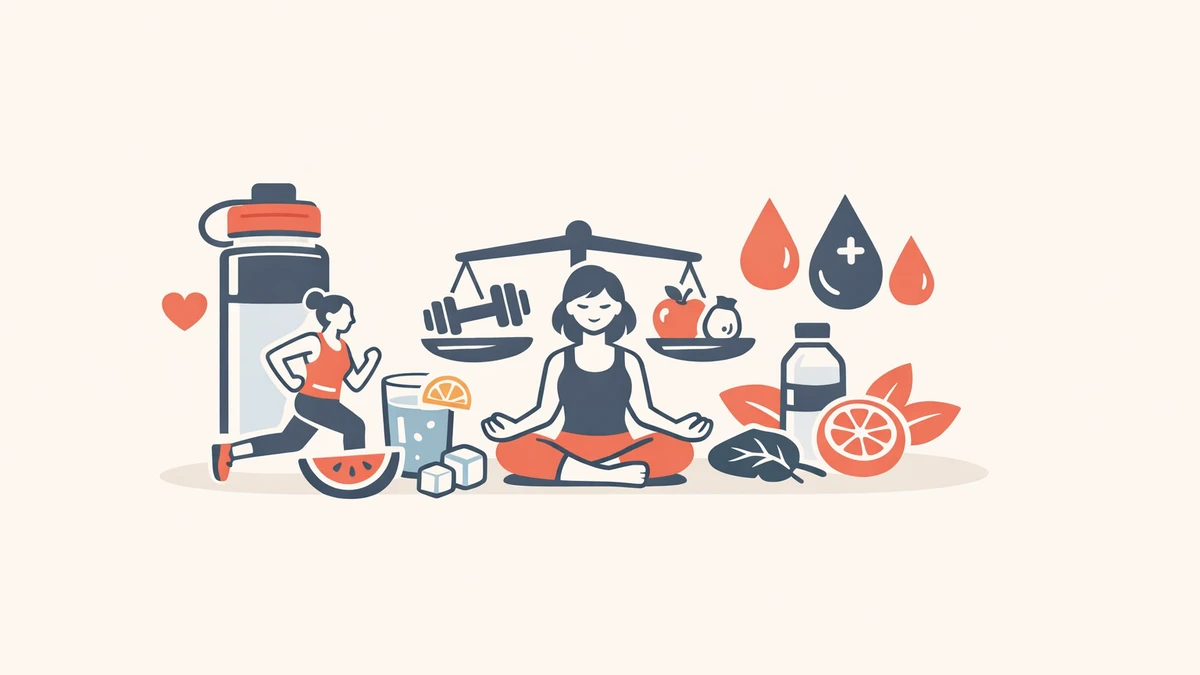
Balanced Nutrition
A well‑rounded diet is the foundation of holistic fitness. Focus on whole, minimally processed foods that provide a variety of vitamins, minerals and macronutrients. Build your meals around:
- Colourful vegetables & fruits for fibre, antioxidants and phytonutrients.
- Lean proteins such as fish, poultry, eggs, legumes and tofu to support muscle repair.
- Complex carbohydrates like whole grains, sweet potatoes and pulses to fuel your body and brain.
- Healthy fats from nuts, seeds, olive oil and avocado for heart health and satiety.
Remember that moderation matters – you don’t have to eliminate your favourite treats, but aim for balance and portion control.
Exercise & Movement
Physical activity strengthens your body, boosts mood and supports metabolic health. A holistic fitness routine includes:
- Aerobic exercise (walking, running, cycling, swimming) to improve cardiovascular health and endurance.
- Strength training (weights, bodyweight, resistance bands) to build muscle and support bone density.
- Flexibility & mobility (stretching, yoga, Pilates) to maintain range of motion and prevent injury.
Find activities you enjoy and mix them up to keep your routine interesting and balanced.
Mindfulness & Recovery
Don’t overlook the mental and restorative aspects of fitness. Stress management and adequate recovery are essential for progress.
- Mindfulness practices: meditation, deep breathing and journalling help calm the mind and improve focus.
- Quality sleep: aim for seven to nine hours of restful sleep to support hormone regulation and recovery.
- Active recovery: gentle movement like walking or stretching on rest days promotes circulation without overtaxing muscles.
By listening to your body and mind, you can adjust your lifestyle to stay energised and avoid burnout.
The Mind-Body Connection in Fitness
Your mental and emotional state profoundly affects your physical health. Chronic stress, anxiety and negative self-talk can sabotage even the best workout and nutrition plans. Conversely, movement and exercise are powerful tools for managing stress and improving mental health. Exercise releases endorphins—natural mood-boosting chemicals—and provides a healthy outlet for stress and tension. Even a 20-minute walk can shift your mood and perspective.
Practices like yoga and Pilates explicitly integrate mind-body awareness: they require you to be present with your breath and bodily sensations, which naturally calms the nervous system. Strength training builds not just physical strength but mental resilience—each time you push through a challenging set, you prove to yourself that you're capable. This confidence carries into other areas of life. Taking a holistic approach means honouring your whole self: when you feel mentally strong, your body follows, and vice versa.
Stress Management Through Exercise & Routine
One of the most underrated aspects of holistic fitness is consistency and routine. Establishing regular exercise times—say, every Monday, Wednesday and Friday—creates structure and predictability, which reduces decision fatigue and helps manage stress. Your body adapts better to consistent stimulus, and your mind benefits from a reliable anchor point in your week.
Beyond formal exercise, find movement you genuinely enjoy. This might be dancing, hiking, swimming, playing a sport or gardening. When exercise feels like play rather than punishment, you're far more likely to sustain it long-term. Aim for a mix: some sessions can be challenging and intense, while others are gentle and restorative. This variety prevents boredom and burnout while ensuring balanced fitness development.
Integration: Bringing It All Together
Holistic fitness isn't perfection—it's integration. You won't eat perfectly every day, and you'll sometimes miss workouts. What matters is the overall pattern: most of the time, you're nourishing your body with whole foods, moving regularly, managing stress and prioritising rest. Small, consistent choices compound into remarkable results over months and years.
If you're just starting your wellness journey or looking to deepen your practice, personalised support can accelerate your progress. Our Meal Planning service helps you build sustainable eating habits, while Nutrition Coaching addresses the mindset and behaviour patterns that underlie lasting change. For integrated fitness and nutrition guidance, explore our full range of services or read our guide on Women's Health Nutrition if you're interested in tailored advice for your life stage.