Iron Deficiency in Malta: Signs, Causes and What to Eat
Published: November 24, 2025
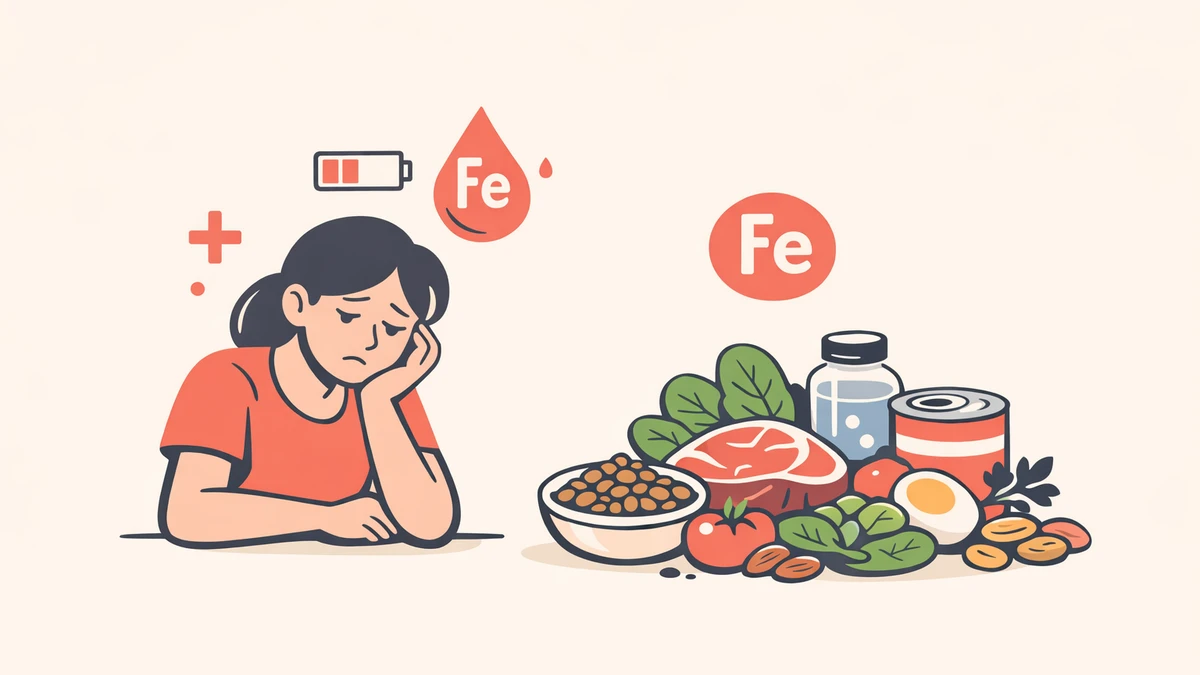
Iron deficiency is the most common nutritional deficiency worldwide, and Malta is no exception. Women of reproductive age, pregnant women, teenagers and people who follow vegetarian or vegan diets are most at risk. The tricky thing about iron deficiency is that it creeps up slowly. You might not realise anything's wrong until you're exhausted, dizzy or getting sick more often than usual.
Signs You Might Be Low in Iron
The symptoms are easy to brush off because they overlap with everyday tiredness. But if several of these sound familiar, it's worth getting a blood test: constant fatigue that doesn't improve with rest, pale skin or inner eyelids, shortness of breath during normal activities, cold hands and feet even in Malta's warm climate, headaches, brittle nails, and unusual cravings for ice or non-food items. Low iron also affects your immune system, which means you catch colds more easily and take longer to recover.
Haem vs Non-Haem Iron
There are two types of dietary iron. Haem iron comes from animal sources — red meat, chicken, fish, shellfish — and your body absorbs it quite efficiently (about 15–35%). Non-haem iron comes from plant sources like lentils, chickpeas, spinach, fortified cereals and tofu. Your body only absorbs about 2–20% of non-haem iron, which is why vegetarians need to be more strategic about their intake. This doesn't mean you have to eat meat — it means you need to pair plant iron with absorption boosters.
Foods That Boost Iron Absorption
Vitamin C is the biggest helper. Squeeze lemon over your lentil soup, eat an orange after a spinach salad, or add capsicums to your chickpea stew. These combinations can increase non-haem iron absorption by two to three times. Cooking in a cast iron pan also adds small amounts of iron to your food, particularly with acidic dishes like tomato-based sauces.
On the other hand, some things block absorption. Tea and coffee contain tannins that bind to iron and reduce how much you absorb. If you're prone to low iron, avoid drinking tea or coffee within an hour of meals. Calcium supplements and dairy eaten at the same time as iron-rich foods also compete for absorption. This doesn't mean avoiding dairy altogether — just don't pair a glass of milk with your iron-rich dinner.
Good Iron Sources Available in Malta
Here's what's readily available at Maltese supermarkets and markets: red meat (once or twice a week is plenty), chicken liver (very high in iron — even a small portion goes a long way), canned sardines and tuna, eggs, cooked lentils and beans (Maltese kusksu with broad beans is a good option), dark leafy greens like spinach and rocket, fortified breakfast cereals, dried apricots and figs, and pumpkin seeds. A typical iron-rich Maltese meal could be baked lampuki with a side of lentil salad dressed with lemon and olive oil — delicious and functional.
When to Consider Supplements
If your blood test shows low ferritin (stored iron), your doctor may recommend a supplement. Iron supplements work best when taken on an empty stomach with vitamin C, but they can cause nausea and constipation. If that happens, try taking them with a small meal or switching to a gentler form like iron bisglycinate. Never self-prescribe iron supplements — too much iron is harmful and can mask other conditions. A registered dietitian can help you figure out whether dietary changes alone are enough or whether supplementation makes sense for your situation. Our clinical nutrition service includes full dietary assessment and personalised recommendations.
Iron Needs Through Life Stages
Women who menstruate need about 14.8 mg per day. After menopause, the requirement drops to 8.7 mg. Pregnant women need 27 mg — nearly double — which is why iron supplementation during pregnancy is so common. Teenage girls are also at higher risk because they're growing quickly and often have irregular eating patterns. If you're in any of these groups and feeling more tired than usual, don't just blame a busy schedule. Get your levels checked. For more on how nutrition needs change across a woman's life, see our article on women's health nutrition.