Nutrition for Menopause: Managing Symptoms Through Diet
Published: October 20, 2025
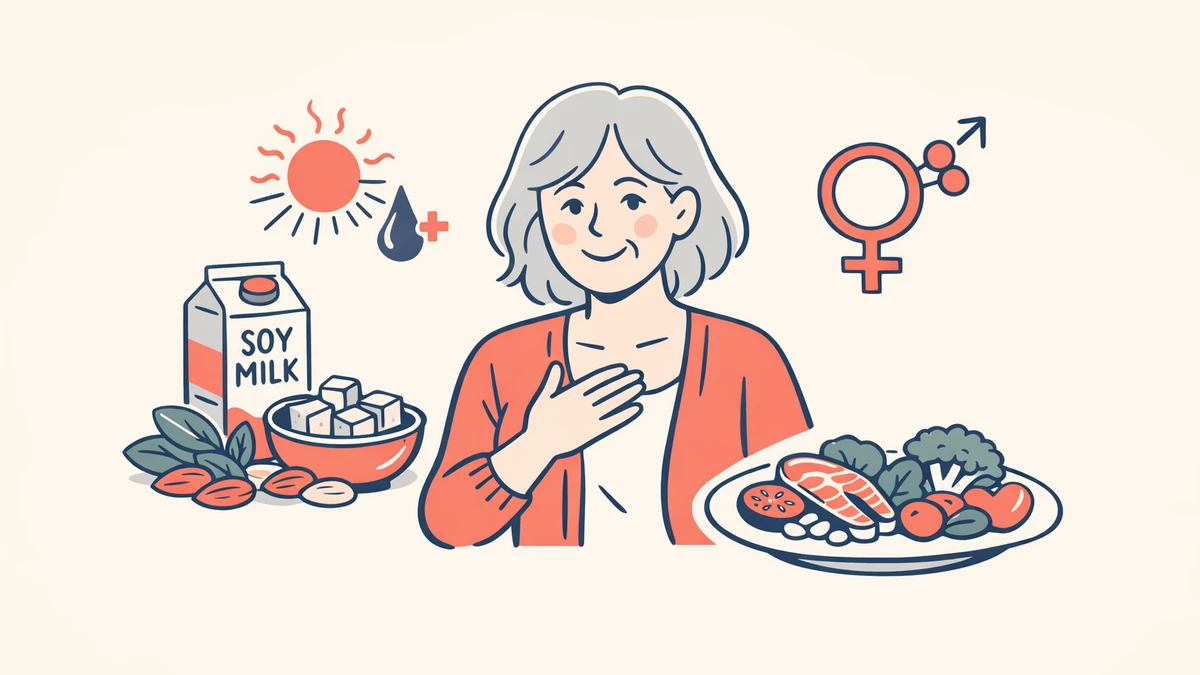
Menopause is a normal part of ageing, but the symptoms can feel anything but normal. Hot flushes, night sweats, weight gain around the middle, mood changes, brain fog, joint stiffness and poor sleep — these are real and they affect quality of life. While nutrition can't eliminate menopause symptoms entirely, it can make a meaningful difference to how you feel, how well you sleep and how your body handles the hormonal changes.
Why Your Body Changes During Menopause
When oestrogen levels drop, several things happen. Your metabolism slows slightly, so you may gain weight even though you're eating the same as before. Fat distribution shifts towards the abdomen. Bone density decreases, raising the risk of osteoporosis. Cholesterol levels often change, with LDL ("bad" cholesterol) rising. And the decline in oestrogen affects serotonin and other neurotransmitters, which is why mood changes and sleep disruption are so common. None of this is in your head — it's biochemistry.
Calcium and Vitamin D: Protecting Your Bones
After menopause, bone loss accelerates significantly. Women can lose up to 20% of their bone density in the five to seven years following menopause. Calcium and vitamin D are the two most important nutrients for slowing this down. Aim for at least 700 mg of calcium daily from dairy (milk, yoghurt, cheese), calcium-fortified plant milk, tofu, sardines (with bones), almonds and dark leafy greens. Vitamin D helps your body absorb calcium. In Malta, you'd think sun exposure would take care of this, but many Maltese women are deficient — partly because we avoid the midday sun and partly because we wear sunscreen (which blocks vitamin D synthesis). A 10 mcg (400 IU) supplement during winter months is sensible. Your doctor can check your levels with a simple blood test.
Managing Weight Gain Around the Middle
The shift from fat stored on hips and thighs to fat around the abdomen is one of the most frustrating changes of menopause. It's driven largely by hormonal shifts, not by eating too much. That said, diet adjustments can help. Focus on protein at every meal — it preserves muscle mass (which maintains your metabolic rate) and keeps you feeling full. Reduce refined carbohydrates and sugary snacks, which spike insulin and encourage abdominal fat storage. Increase fibre from vegetables, legumes and whole grains to support gut health and blood sugar stability. And don't crash diet — severe calorie restriction slows metabolism further and makes the problem worse long-term.
Foods That May Help with Hot Flushes
The evidence isn't conclusive, but some women report fewer hot flushes when they include phytoestrogens in their diet. These are plant compounds that weakly mimic oestrogen. Sources include soy (tofu, tempeh, edamame, soy milk), flaxseeds, sesame seeds and chickpeas. The research is strongest for soy isoflavones — Japanese women, who eat significantly more soy, tend to report fewer and less severe hot flushes. On the flip side, alcohol, caffeine, spicy food and very hot drinks can trigger hot flushes in some women. It's worth keeping a simple diary for a couple of weeks to identify your personal triggers.
Heart Health After Menopause
Oestrogen has a protective effect on blood vessels and cholesterol levels. When it drops, heart disease risk rises. In fact, heart disease is the leading cause of death in women over 50 in Malta and across Europe. The dietary priorities for heart health align closely with what's good for menopause overall: plenty of fibre, oily fish twice a week for omega-3s, limited saturated fat from processed meats and full-fat dairy, and reduced salt. The Mediterranean diet — which Malta's traditional cuisine already resembles — is the best-studied dietary pattern for cardiovascular protection.
Sleep, Mood and the Role of Nutrition
Magnesium-rich foods (dark leafy greens, nuts, seeds, dark chocolate) may help with sleep and muscle relaxation. Tryptophan-containing foods (turkey, eggs, milk, oats, bananas) support serotonin production, which is the precursor to melatonin — your sleep hormone. Avoid eating large meals close to bedtime, and limit alcohol, which disrupts sleep architecture even if it helps you fall asleep initially. If mood changes are significant, please talk to your GP. Nutrition helps, but it's not a replacement for medical support when it's needed. For more on how nutrition changes across different life stages, read our article on women's health nutrition, or book a session through our dietitian service.