Nutrition for Shift Workers in Malta: A Practical Guide
Published: September 29, 2025
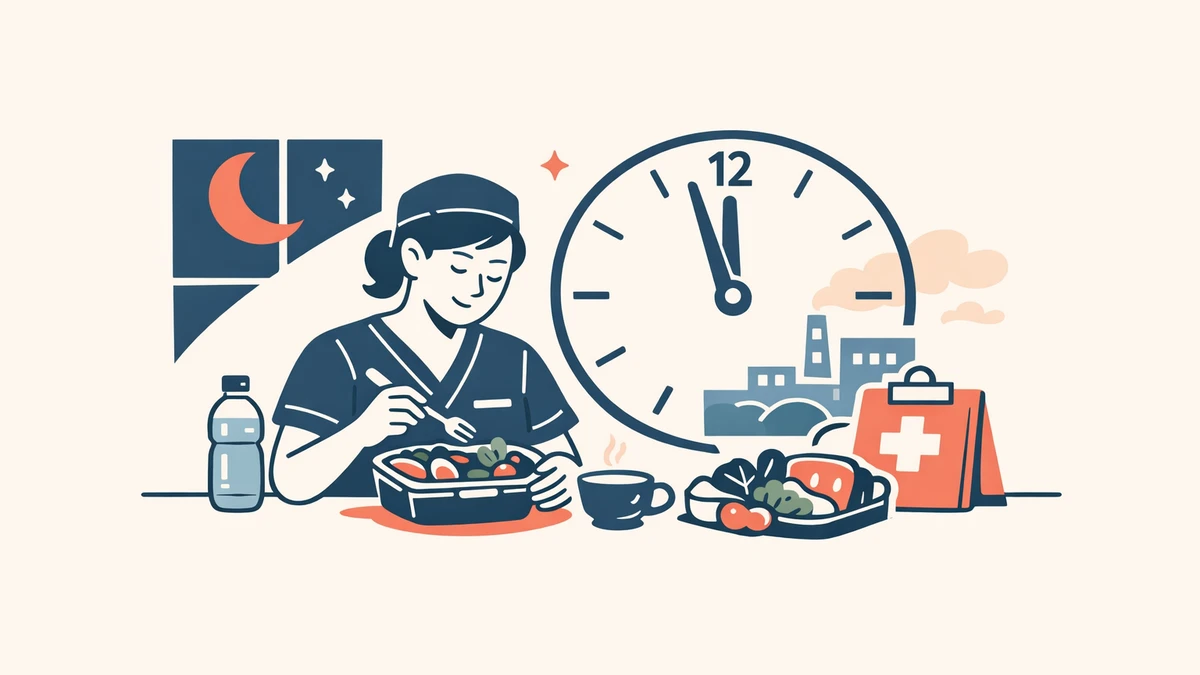
Malta's economy depends heavily on industries that run around the clock: healthcare, hospitality, iGaming, aviation, manufacturing. If you work nights, rotating shifts or split schedules, you already know that "eat three meals a day at normal times" doesn't apply to you. Your body clock is working against you, and most nutrition advice is written for people who wake at 7am and sleep at 11pm. This guide is written for everyone else.
Why Shift Work Messes with Your Appetite
Your body has an internal clock (the circadian rhythm) that regulates when you feel hungry, when insulin works best, and when your digestive system is most active. During the night, your body expects to be sleeping — not digesting a full meal. That's why eating at 3am often feels uncomfortable: your gut motility is slower, your insulin response is weaker, and your hunger hormones are out of sync. Shift workers are more likely to experience weight gain, digestive issues, type 2 diabetes and heart disease. This isn't because they're making worse choices — it's because their biology is fighting their schedule.
Eat Your Main Meal Before Your Shift
Whether you start at 6pm, 10pm or 2am, try to eat a proper balanced meal before you clock in. This should include protein, complex carbohydrates and vegetables. Think: grilled chicken with roasted vegetables and quinoa, or a hearty minestrone with bread and cheese. Eating your biggest meal when your body is most alert and your digestion is working normally gives you better energy and fewer gut problems compared to eating a heavy meal at 2am.
During the Night Shift: Light Snacks, Not Full Meals
If you work an eight or twelve-hour night shift, you'll get hungry. That's normal. But instead of a large meal, eat smaller, lighter snacks every three to four hours. Good options: a handful of nuts with fruit, wholemeal crackers with hummus, yoghurt with seeds, a small wrap with turkey and salad, or a banana with peanut butter. Avoid heavy, greasy food (the vending machine burger is never a good idea at 4am) and avoid anything very sugary, which will spike your blood sugar and leave you crashing an hour later.
Hydration and Caffeine
Stay hydrated through your shift with water and herbal tea. Caffeine is fine but be strategic: have your coffee at the start of the shift, not towards the end. Caffeine takes about six hours to clear from your system, so a coffee at 4am means you'll still have caffeine in your blood at 10am when you're trying to sleep. Limit caffeine to the first half of your shift and switch to water or decaf afterwards. Avoid energy drinks — they're loaded with sugar and caffeine in amounts your body doesn't need.
After Your Shift: Sleep Comes First
When you get home, resist the urge to eat a huge breakfast-sized meal. A light snack is fine if you're hungry — toast with avocado, a small bowl of cereal with milk, or some fruit. Then prioritise sleep. Eating a heavy meal before bed disrupts sleep quality, and poor sleep makes you hungrier the next day (because it increases ghrelin, the hunger hormone). It becomes a cycle: bad sleep, more hunger, overeating, worse sleep. Breaking that cycle starts with treating sleep as non-negotiable.
Meal Prep Is Your Best Friend
Shift workers who don't prep food in advance almost always end up eating whatever's fastest — which usually means takeaway, vending machines or packaged snacks. Spend an hour on your day off preparing meals and snacks for the week. Pack them in containers you can grab on your way to work. This isn't about being perfect — it's about having something decent available so you don't end up eating crisps and chocolate at 3am because there's nothing else. For a step-by-step approach, see our guide on meal prep tips for busy people, or explore personalised meal planning if you want a plan tailored to your shift pattern.