Overcoming Gym Anxiety & Body Image Issues
Published: July 29, 2025
Stepping into a gym can be intimidating. If fear of judgement or self‑consciousness is holding you back, try these strategies to build confidence and make fitness a positive experience.
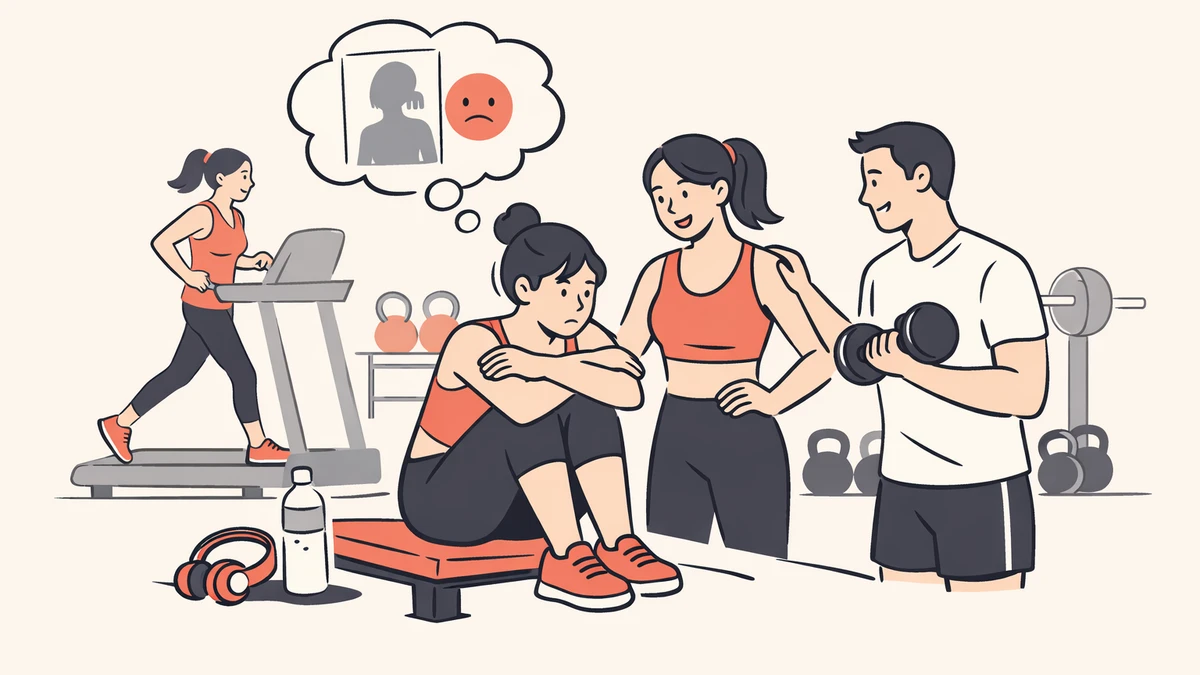
Understand Your Triggers
Gym anxiety often stems from fear of being judged, not knowing how to use equipment or feeling dissatisfied with your body. Take a moment to identify what worries you most, so you can address it directly.
Strategies for Confidence
- Go with a plan: following a structured workout reduces uncertainty and keeps you focused.
- Bring a friend: a workout buddy can make the gym feel more welcoming and keep you accountable.
- Book an induction or trainer: many gyms offer free inductions or personal training sessions to familiarise you with equipment.
- Choose quieter times: off‑peak hours can feel less intimidating if crowds make you anxious.
Cultivate a Positive Mindset
Remember that everyone starts somewhere. Focus on your own progress rather than comparing yourself to others. Practise self‑compassion and celebrate small victories. Over time, your confidence will grow and the gym will become a place of empowerment rather than fear.
Body Image: Reframing Your Relationship with Appearance
Gym anxiety often stems from body image concerns—worrying about how you look or comparing yourself to others. It's important to recognise that bodies are diverse, and fitness comes in all shapes and sizes. Research shows that weight or appearance-focused goals are less motivating long-term than health-focused goals. Instead of exercising to "fix" your body, try shifting your mindset: exercise to feel stronger, more energised, and more confident. Notice how movement makes you feel mentally and physically, not just how it changes how you look.
Social media and magazines often portray unrealistic beauty standards. Unfollow accounts that trigger comparison or negative feelings, and follow those that celebrate diverse bodies and genuine wellness. Practising gratitude for what your body can do—even small things like climbing stairs without breathlessness—helps redirect focus from criticism to appreciation.
Psychological Strategies for Overcoming Gym Anxiety
Anxiety often thrives on avoidance, so facing it gradually (a technique called exposure) can be powerful. For example, start with a quiet gym visit just to walk on the treadmill with headphones in. Repeat this until you feel more comfortable, then gradually add new equipment or activities. Cognitive behavioural techniques also help: challenge negative thoughts. When your mind says "Everyone is staring at me," ask yourself: Is that true? What's the evidence? Often, you'll realise people are focused on their own workouts, not judging you.
Mindfulness and breathing exercises calm the nervous system and reduce anxiety in the moment. Before entering the gym, take five slow, deep breaths, focusing on extending the exhale. During your workout, use grounding techniques: notice five things you can see, four things you can hear, three things you can touch. These practices anchor you in the present and away from anxious thoughts.
Building Lasting Confidence
Confidence grows through repeated success. Set achievable exercise goals—perhaps attending the gym twice weekly or mastering one new exercise—and celebrate when you reach them. Document your progress in a journal: note how you felt, what you accomplished, and any improvements in strength or endurance. Over weeks and months, you'll have tangible evidence of your progress, which reinforces confidence.
Remember that seeking professional support is a sign of strength, not weakness. If anxiety significantly impacts your life, a therapist or counsellor can provide tailored strategies. Similarly, working with a nutrition coach can address food-related anxiety and support a healthy relationship with eating and exercise. Explore our Nutrition Coaching service for integrated support, or visit our Holistic Fitness guide for a balanced perspective on wellness that honours both body and mind.