PCOS Nutrition Tips: Eating to Balance Hormones
Published: August 25, 2025
Polycystic ovary syndrome (PCOS) affects many women in Malta and around the world. A balanced diet can help manage insulin resistance, support fertility and ease symptoms. Here’s how to get started.
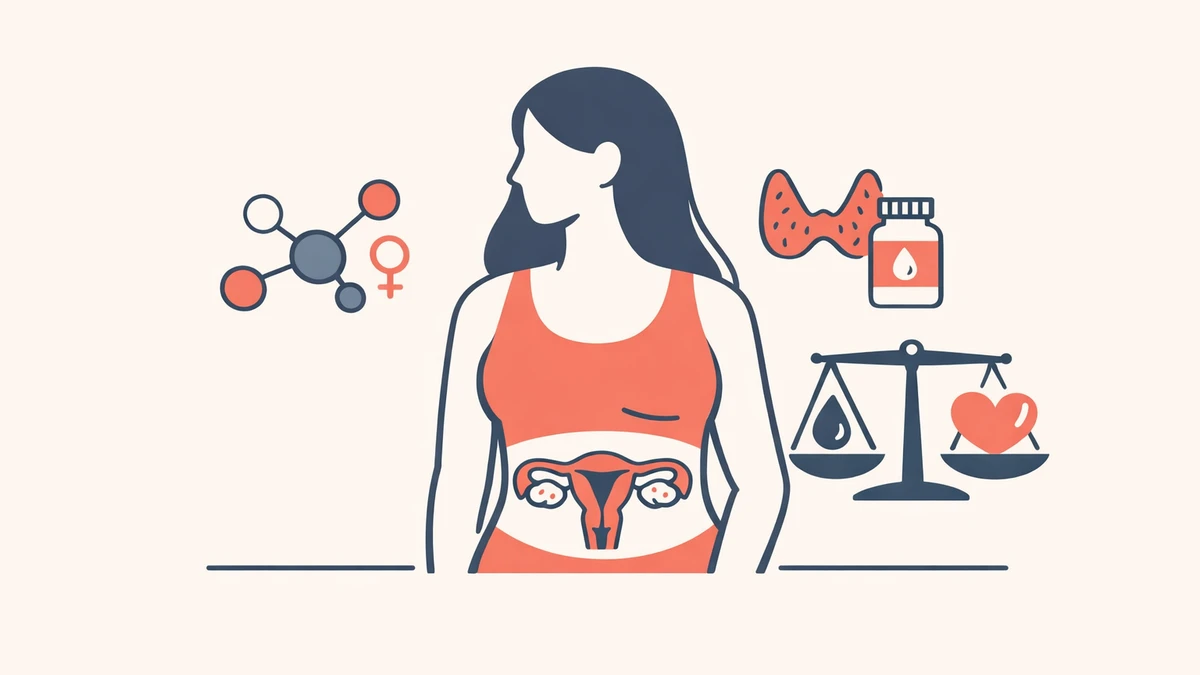
Understanding PCOS & Insulin Resistance
PCOS is a hormonal condition often characterised by irregular periods, excess androgens and ovarian cysts. Many women with PCOS also experience insulin resistance, which contributes to weight gain and increases the risk of type 2 diabetes. Lifestyle modifications – including diet – are first‑line approaches to managing symptoms.
Choose Low‑GI & High‑Fibre Foods
Low‑glycaemic index (GI) carbohydrates release glucose slowly, reducing spikes in insulin. Pair carbs with fibre and protein to keep you full and satisfied. Good choices include:
- Whole grains: oats, quinoa, barley and brown rice.
- Legumes: chickpeas, lentils and beans.
- Vegetables & fruit: non‑starchy veggies and low‑sugar fruits like berries and apples.
- Seeds & nuts: chia, flax, almonds and walnuts for fibre and healthy fats.
Prioritise Lean Proteins & Healthy Fats
Protein and unsaturated fats slow digestion and stabilise blood sugar. Include lean poultry, fish (especially omega‑3 rich options like salmon and sardines), eggs, tofu and Greek yoghurt. Healthy fats from olive oil, avocado, nuts and seeds support hormone production and reduce inflammation.
Balance Meals & Avoid Skipping
Eat regular, balanced meals to maintain steady energy and avoid bingeing later. A plate balanced with protein, fibre, complex carbs and healthy fats helps manage cravings. Skipping meals can lead to blood sugar crashes and increased hunger, which may exacerbate PCOS symptoms.
Consider Supplements & Professional Guidance
Some women benefit from specific supplements (like myo‑inositol or vitamin D) but they’re not a one‑size‑fits‑all solution. Before taking any supplement, consult a healthcare professional. Working with a state‑registered dietitian ensures your plan is individualised, safe and evidence‑based.
Foods to Limit with PCOS
While there's no single "PCOS diet," some foods may exacerbate symptoms in certain women. Refined carbohydrates—white bread, pastries, sugary drinks and processed snacks—can trigger rapid blood sugar and insulin spikes. Ultra-processed foods often contain trans fats and artificial additives that may increase inflammation. Many women with PCOS find that limiting these foods helps reduce bloating, fatigue and hormonal imbalance. Instead of focusing on restriction, try replacing processed foods with nourishing alternatives. For example, swap white bread for sourdough or wholemeal options, and replace sugary desserts with fruit paired with nuts.
It's also worth noting that excessive omega‑6 polyunsaturated fats (common in seed oils) may worsen inflammation when not balanced with omega‑3s. Prioritise sources like olive oil, avocado oil and fish to support a healthier inflammatory profile.
Lifestyle Strategies to Support PCOS Management
Nutrition is only part of the picture. Regular physical activity—particularly a combination of aerobic exercise and strength training—improves insulin sensitivity and supports weight management without the pressure of restrictive dieting. Aim for at least 150 minutes of moderate activity per week, but even shorter, consistent sessions yield benefits.
Stress management is equally important. Chronic stress elevates cortisol, which can worsen insulin resistance and hormonal imbalance. Practices such as meditation, yoga, journaling or simply spending time in nature can help. Additionally, prioritise sleep: aim for 7–9 hours nightly, as poor sleep disrupts hormonal regulation and increases hunger hormones.
If you're based in Malta, visiting a registered dietitian who understands PCOS can transform your approach to eating and health. For personalised guidance tailored to your unique situation, explore our Dietitian & Nutrition Therapy service or consider Nutrition Coaching for ongoing support.
Related Reading
For more insights into women's hormonal health, check out our Women's Health Nutrition guide. If you're also interested in how nutrition affects reproductive health and fertility, that resource covers nutrition strategies across every life stage.