Vegan and Vegetarian Nutrition in Malta: Getting It Right
Published: January 26, 2026
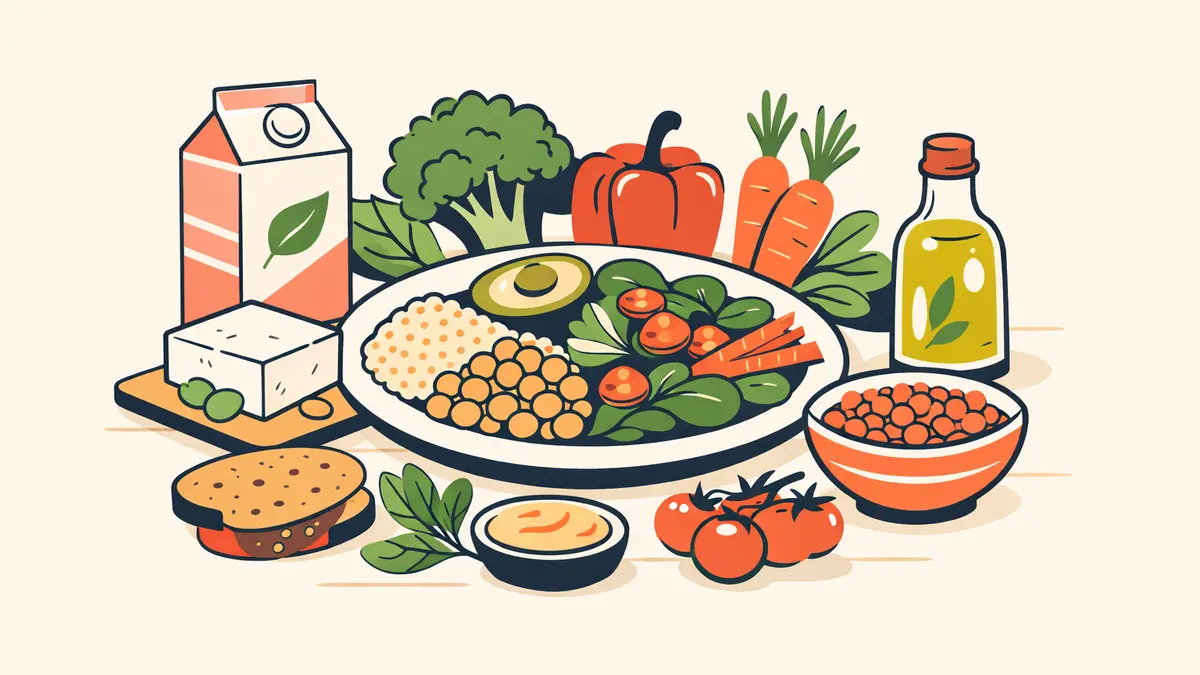
The number of people eating plant-based in Malta has grown noticeably over the past five years. Whether you've gone fully vegan, eat vegetarian most of the time, or are just trying to reduce your meat intake, the question is always the same: am I getting everything I need? The short answer is yes, you can get all the nutrition you need from a plant-based diet — but you do have to be a bit more intentional about it than someone who eats everything.
Protein: Easier Than You Think
The "but where do you get your protein?" question is the one every vegetarian and vegan in Malta has heard a hundred times. The truth is, getting enough protein on a plant-based diet isn't difficult if you eat a variety of foods. Lentils, chickpeas, beans, tofu, tempeh, edamame, quinoa, nuts, seeds and even pasta and bread contribute protein. You don't need to combine specific foods at each meal (the "complete protein" myth has been debunked for decades). As long as you eat a variety of protein sources across the day, your body handles the rest.
The key number: aim for roughly 0.8–1g of protein per kilogram of body weight per day. So a 65kg person needs about 52–65g. That's easily achievable with oats and soy milk for breakfast (15g), a chickpea salad for lunch (18g), a lentil curry for dinner (20g) and a handful of almonds as a snack (6g). That's nearly 60g without trying particularly hard.
The Nutrients That Need Extra Attention
Vitamin B12: This is the one non-negotiable supplement for vegans. B12 is only found naturally in animal products. Without it, you risk nerve damage and anaemia. Take a daily B12 supplement (at least 25–100 mcg cyanocobalamin) or eat B12-fortified foods like plant milks and nutritional yeast daily.
Iron: Plant iron is harder to absorb (see our iron deficiency article for details). Pair iron-rich plant foods with vitamin C to boost absorption.
Omega-3 fatty acids: Fish is the main dietary source of EPA and DHA, the omega-3s your brain and heart need. Flaxseeds, chia seeds and walnuts provide ALA, which your body can convert to EPA and DHA — but the conversion rate is low (around 5–10%). Consider an algae-based omega-3 supplement if you don't eat fish.
Calcium: If you don't eat dairy, make sure your plant milk is calcium-fortified. Tofu made with calcium sulphate, tahini, almonds, broccoli and kale also contribute. Adults need about 700 mg per day.
Iodine: Often overlooked. Dairy and fish are the main sources in most diets. If you eat neither, use iodised salt or take a supplement. Deficiency affects thyroid function.
Eating Plant-Based in Malta: What's Available
Malta's restaurant and supermarket scene has caught up significantly. Most supermarkets stock tofu, plant milks, nutritional yeast and meat alternatives. Restaurants like Soul Food, Mint and Leguminous offer dedicated vegan menus. Even traditional restaurants are increasingly willing to adapt. Maltese cuisine already has several naturally plant-based dishes: bigilla (broad bean dip), soppa tal-armla (vegetable soup), hobza biz-zejt (without tuna), kusksu with vegetables, and qaghaq tal-ghasel (treacle rings) are all vegan or easily adapted.
Common Mistakes to Watch For
Going plant-based doesn't automatically mean eating healthily. Chips, white bread, sugary cereals and processed vegan junk food are all technically vegan but nutritionally poor. The biggest mistake new vegans make is replacing meat with ultra-processed alternatives (fake burgers, fake sausages) at every meal instead of building meals around whole foods like legumes, grains and vegetables. Another common mistake: not eating enough. Plant foods tend to be less calorie-dense, so if you swap a chicken dinner for a salad and nothing else, you'll be hungry and low on energy. Make sure meals are substantial. If you want personalised guidance on transitioning to plant-based eating, our dietitian service covers exactly this.